
 简体中文
简体中文

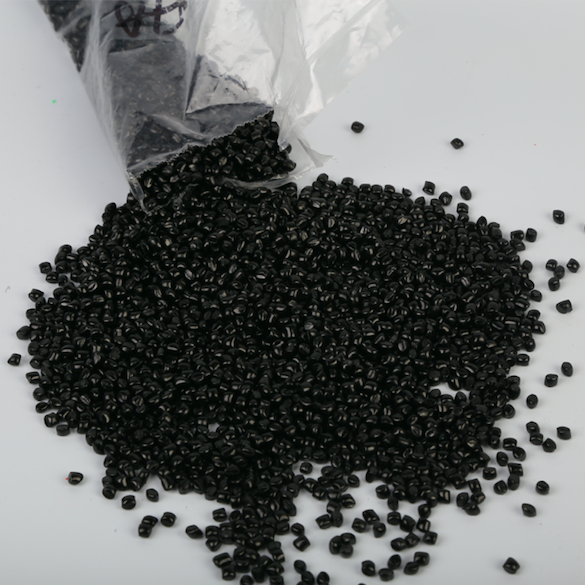
Q1: What materials are black masterbatch composed of?
A:The materials that make up the black masterbatch are: 1) carbon black; 2) carbon black carrier; 3) carbon black wetting agent; 4) carbon black dispersant; 5)other aids.
Q2: What kind of carbon black is used for masterbatch?
A:There are mainly high-pigment carbon black (particle size 9-17mm), medium-pigment carbon black (particle size 18-25mm) and low-pigment carbon black (particle size 26-37mm).
Due to the different varieties of carbon black, the price varies greatly. Due to its own multi-activity, carbon black particles rarely exist as primary particles, and almost all exist as agglomerated particles with a certain range of particle sizes.
Q3: What is the carbon black carrier?
A:The carrier is the substance that carries the carbon black. Generally, what raw materials are used in plastic products, and what raw materials are used in the carrier. The black masterbatch produced in this way has good compatibility with plastic raw materials.
Such as: PS (polystyrene) plastic products, the black masterbatch carrier used is PS. For polyethylene plastic products, the carrier is polyethylene. However, LDPE (high pressure polyethylene) is generally used because LDPE has the strongest carbon black bearing capacity and good processability.
For PP (polypropylene) plastic products, only black masterbatches with PP and LDPE as carriers can be used, mainly because the compatibility of PP with HDPE and LLDPE is worse, which will cause PP to become brittle. Of course, there are also black masterbatches with recycled materials as carriers.
Q4:Why carbon black needs a wetting agent?
A:The specific gravity of carbon black is about 2g/cm3. Due to the small particle size of carbon black, the apparent density is very small, which is fluffy and light. For smooth processing, carbon black must first be wetted
There are two types of organic dispersants and inorganic dispersants. High-grade black masterbatch uses organic dispersant, mainly used for plastic products with high environmental requirements, such as drip irrigation products.
Q5:What are the dispersants used in carbon black masterbatch?
A:Low-grade black masterbatches use inorganic dispersants, commonly calcium carbonate. It can be judged from the masterbatch packaging that only half a bag of 25kg must be using inorganic dispersant; the full bag is black masterbatch using organic dispersant. The use of inorganic dispersants can greatly reduce the cost of black masterbatch, but it is fatal that calcium carbonate has the effect of accelerating the aging of plastic products
Q6:What aspects of black masterbatch have outstanding performance?
A:In terms of dyeing plastic products, black masterbatch only needs 0.6%-0.8%, it will be extremely black, and it will not be darker if you add more.
According to the test data, if the products used outdoors in Xinjiang need to rely on black masterbatch for anti-aging, they only need to use high-quality black masterbatch (not the kind that uses recycled materials as a carrier, white oil wetting, calcium carbonate dispersion, etc.) , the content of carbon black in the product reaches 2-2.5%, that is: in every 100 kg of raw materials, there are 5-6 parts (weight) of masterbatch containing 40% of carbon black, which plays a far more important role than any anti-aging product. , the product life can reach more than 10 years.
This is why drip irrigation products, water delivery products, communication cable products are all black
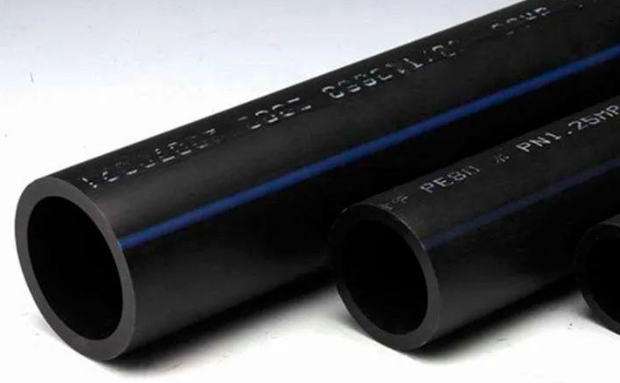
Q7:How to judge the quality of black masterbatch from its appearance?
Good quality black masterbatch gloss and moderate hardness. If it is too oily bright, it means that there is too much oil, and if the gloss is dim, it means that the carrier is recycled material or excessive calcium carbonate.
The black masterbatch of good quality can be bitten by teeth, soft and brittle. Too soft means too much organic dispersant, soft and loose means low carbon black concentration and more calcium carbonate, too brittle means too high carbon black content, or the carrier is recycled material
Q8: Can the black masterbatch containing calcium carbonate be used?
A : First of all, if the fineness of calcium carbonate in the black masterbatch is 1000 mesh and the content is within 10%, it is a good choice for products without outdoor exposure requirements, and the price is low. The appearance of the product has good gloss, the carbon black is evenly dispersed during processing, the blackness is not affected, and the impact on the strength of the product is small.
If the mesh number calcium carbonate is lower than 1000, the gloss may be dull, the surface may be rough, and the strength of the product will decrease. If the amount of 1000 mesh calcium carbonate exceeds 10%, the surface of the product will be dull and gray, the blackness will be insufficient, and the strength of the product will decrease.
Secondly, it is not good to contain calcium carbonate in any outdoor products with anti-aging requirements.
Q9: What is the reason for adding anti-aging agent to black masterbatch
A : This is related to the storage and processing of black masterbatch. The carbon black for plastics produced in my country, regardless of high pigment, medium pigment or low pigment, has the problem of high oxygen content. According to relevant data reports, up to 3-8%. This directly affects the oxidative aging of the carrier during the processing and storage of the masterbatch. Once such aging occurs, it will directly lead to premature aging of products using the masterbatch in the future. The oxidation induction period test fully proves this. In order to avoid and alleviate this phenomenon, adding an appropriate amount of anti-aging agent is the best choice to ensure the quality of black masterbatch.
Q 10: Does choosing black masterbatch with high carbon black content reduce costs?
A:The higher content of carbon black means that the dispersion is more difficult, and the requirements for the shearing capacity of the equipment are also increased. It is necessary to configure a screw with a large aspect ratio, a mixing section and a wear-resistant screw, which depends on the equipment.
For equipment with good mixing effect, using masterbatch with high concentration of carbon black, the corresponding amount of addition is small, which of course saves money. For equipment with poor mixing capacity, the use of masterbatch with high carbon black concentration will cause uneven dispersion and prominent pitting, resulting in a high rejection rate.
A:The materials that make up the black masterbatch are: 1) carbon black; 2) carbon black carrier; 3) carbon black wetting agent; 4) carbon black dispersant; 5)other aids.
Q2: What kind of carbon black is used for masterbatch?
A:There are mainly high-pigment carbon black (particle size 9-17mm), medium-pigment carbon black (particle size 18-25mm) and low-pigment carbon black (particle size 26-37mm).
Due to the different varieties of carbon black, the price varies greatly. Due to its own multi-activity, carbon black particles rarely exist as primary particles, and almost all exist as agglomerated particles with a certain range of particle sizes.
Q3: What is the carbon black carrier?
A:The carrier is the substance that carries the carbon black. Generally, what raw materials are used in plastic products, and what raw materials are used in the carrier. The black masterbatch produced in this way has good compatibility with plastic raw materials.
Such as: PS (polystyrene) plastic products, the black masterbatch carrier used is PS. For polyethylene plastic products, the carrier is polyethylene. However, LDPE (high pressure polyethylene) is generally used because LDPE has the strongest carbon black bearing capacity and good processability.
For PP (polypropylene) plastic products, only black masterbatches with PP and LDPE as carriers can be used, mainly because the compatibility of PP with HDPE and LLDPE is worse, which will cause PP to become brittle. Of course, there are also black masterbatches with recycled materials as carriers.
Q4:Why carbon black needs a wetting agent?
A:The specific gravity of carbon black is about 2g/cm3. Due to the small particle size of carbon black, the apparent density is very small, which is fluffy and light. For smooth processing, carbon black must first be wetted
There are two types of organic dispersants and inorganic dispersants. High-grade black masterbatch uses organic dispersant, mainly used for plastic products with high environmental requirements, such as drip irrigation products.
Q5:What are the dispersants used in carbon black masterbatch?
A:Low-grade black masterbatches use inorganic dispersants, commonly calcium carbonate. It can be judged from the masterbatch packaging that only half a bag of 25kg must be using inorganic dispersant; the full bag is black masterbatch using organic dispersant. The use of inorganic dispersants can greatly reduce the cost of black masterbatch, but it is fatal that calcium carbonate has the effect of accelerating the aging of plastic products
Q6:What aspects of black masterbatch have outstanding performance?
A:In terms of dyeing plastic products, black masterbatch only needs 0.6%-0.8%, it will be extremely black, and it will not be darker if you add more.
According to the test data, if the products used outdoors in Xinjiang need to rely on black masterbatch for anti-aging, they only need to use high-quality black masterbatch (not the kind that uses recycled materials as a carrier, white oil wetting, calcium carbonate dispersion, etc.) , the content of carbon black in the product reaches 2-2.5%, that is: in every 100 kg of raw materials, there are 5-6 parts (weight) of masterbatch containing 40% of carbon black, which plays a far more important role than any anti-aging product. , the product life can reach more than 10 years.
This is why drip irrigation products, water delivery products, communication cable products are all black
Q7:How to judge the quality of black masterbatch from its appearance?
Good quality black masterbatch gloss and moderate hardness. If it is too oily bright, it means that there is too much oil, and if the gloss is dim, it means that the carrier is recycled material or excessive calcium carbonate.
The black masterbatch of good quality can be bitten by teeth, soft and brittle. Too soft means too much organic dispersant, soft and loose means low carbon black concentration and more calcium carbonate, too brittle means too high carbon black content, or the carrier is recycled material
Q8: Can the black masterbatch containing calcium carbonate be used?
A : First of all, if the fineness of calcium carbonate in the black masterbatch is 1000 mesh and the content is within 10%, it is a good choice for products without outdoor exposure requirements, and the price is low. The appearance of the product has good gloss, the carbon black is evenly dispersed during processing, the blackness is not affected, and the impact on the strength of the product is small.
If the mesh number calcium carbonate is lower than 1000, the gloss may be dull, the surface may be rough, and the strength of the product will decrease. If the amount of 1000 mesh calcium carbonate exceeds 10%, the surface of the product will be dull and gray, the blackness will be insufficient, and the strength of the product will decrease.
Secondly, it is not good to contain calcium carbonate in any outdoor products with anti-aging requirements.
Q9: What is the reason for adding anti-aging agent to black masterbatch
A : This is related to the storage and processing of black masterbatch. The carbon black for plastics produced in my country, regardless of high pigment, medium pigment or low pigment, has the problem of high oxygen content. According to relevant data reports, up to 3-8%. This directly affects the oxidative aging of the carrier during the processing and storage of the masterbatch. Once such aging occurs, it will directly lead to premature aging of products using the masterbatch in the future. The oxidation induction period test fully proves this. In order to avoid and alleviate this phenomenon, adding an appropriate amount of anti-aging agent is the best choice to ensure the quality of black masterbatch.
Q 10: Does choosing black masterbatch with high carbon black content reduce costs?
A:The higher content of carbon black means that the dispersion is more difficult, and the requirements for the shearing capacity of the equipment are also increased. It is necessary to configure a screw with a large aspect ratio, a mixing section and a wear-resistant screw, which depends on the equipment.
For equipment with good mixing effect, using masterbatch with high concentration of carbon black, the corresponding amount of addition is small, which of course saves money. For equipment with poor mixing capacity, the use of masterbatch with high carbon black concentration will cause uneven dispersion and prominent pitting, resulting in a high rejection rate.


