
 简体中文
简体中文

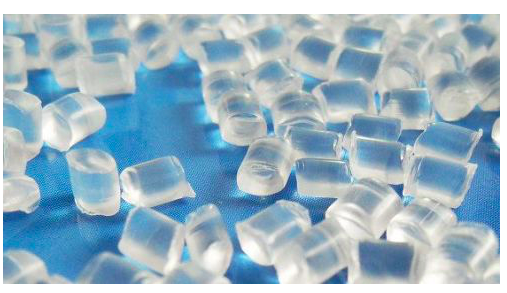
Effects of aging
The aging of polypropylene can be judged macroscopically by a decrease in the intrinsic viscosity of polypropylene or an increase in the melt flow rate.
A decrease in intrinsic viscosity or an increase in melt flow rate means that the molecular weight of polypropylene decreases. For example, after a polypropylene with a molecular weight of 271,000 is extruded and processed three times at a processing temperature of 310 °C, the molecular weight is reduced to 52,300, so the melt index will increase significantly.(Note that this aging-induced melt index rise is disordered and uncontrollable, accompanied by a large attenuation of mechanical strength)
An extreme example of polypropylene aging is polypropylene woven bags. It does not matter if it is placed indoors for several years. Once placed outdoors, it can be powdered in 90 days and lose its use-value.
Anti-aging measures for polypropylene masterbatch
Under normal conditions, the main purpose is to prevent thermo-oxidative aging and free radical aging.
1) The moment of thermo-oxidative aging will produce peroxide, which will attack the normal polypropylene molecular chain and start a new round of the thermo-oxidative aging process.
2) Free radicals are active small molecules that are slowly released in the long-term use of polypropylene, and will also react with polypropylene molecular chains, resulting in molecular chain breakage and aging.
At present, the most suitable antioxidant in terms of technology and economy is the compound of phenolic 1010 and phosphite 168, which is called B215 or B225. The ratio of the B25's 1010 to 168 is 1:2, and the B225's 1010 to 168 168 ratio is 1:1. However, because antioxidant 168 has poor hydrolysis resistance, the above formula cannot be used in water immersion conditions.

The characteristics of aging of polymer materials
For example, agricultural plastic films will change color, become brittle, and decrease in transparency after being exposed to sunlight and rain; aviation plexiglass will appear silver streak and decrease in transparency after long-term use; rubber products will decrease in elasticity, harden, crack or become soft and sticky after long-term use. ; Loss of gloss, chalking, bubbles, peeling, etc. occur after the coating is used for a long time. The aging phenomenon can be summed up in the following four changes.
(1) Appearance changes such as stains, spots, silver streaks, cracks, frosting, chalking, stickiness, warping, fish eyes, wrinkling, shrinkage, scorching, optical distortion, and surface darkening, discoloration and other colors The change.
(2) Changes in physical properties Including changes in solubility, swelling, rheology, refractive index, and heat resistance, cold resistance, water permeability, and air permeability.
(3) Changes in mechanical properties include changes in tensile strength, bending strength, shear strength, impact strength, fatigue strength, elastic modulus, elongation at break, stress relaxation, hardness and other properties.
(4) Changes in electrical properties such as changes in surface resistance, volume resistance, dielectric constant, electrical breakdown strength, etc.
GZSC has developed seires of anti-uv/ anti-oxidant/ anti-aging masterbatch, feel free to contact us for cutomized solutions.
+8613326834984
The aging of polypropylene can be judged macroscopically by a decrease in the intrinsic viscosity of polypropylene or an increase in the melt flow rate.
A decrease in intrinsic viscosity or an increase in melt flow rate means that the molecular weight of polypropylene decreases. For example, after a polypropylene with a molecular weight of 271,000 is extruded and processed three times at a processing temperature of 310 °C, the molecular weight is reduced to 52,300, so the melt index will increase significantly.(Note that this aging-induced melt index rise is disordered and uncontrollable, accompanied by a large attenuation of mechanical strength)
An extreme example of polypropylene aging is polypropylene woven bags. It does not matter if it is placed indoors for several years. Once placed outdoors, it can be powdered in 90 days and lose its use-value.
Anti-aging measures for polypropylene masterbatch
Under normal conditions, the main purpose is to prevent thermo-oxidative aging and free radical aging.
1) The moment of thermo-oxidative aging will produce peroxide, which will attack the normal polypropylene molecular chain and start a new round of the thermo-oxidative aging process.
2) Free radicals are active small molecules that are slowly released in the long-term use of polypropylene, and will also react with polypropylene molecular chains, resulting in molecular chain breakage and aging.
At present, the most suitable antioxidant in terms of technology and economy is the compound of phenolic 1010 and phosphite 168, which is called B215 or B225. The ratio of the B25's 1010 to 168 is 1:2, and the B225's 1010 to 168 168 ratio is 1:1. However, because antioxidant 168 has poor hydrolysis resistance, the above formula cannot be used in water immersion conditions.

The characteristics of aging of polymer materials
For example, agricultural plastic films will change color, become brittle, and decrease in transparency after being exposed to sunlight and rain; aviation plexiglass will appear silver streak and decrease in transparency after long-term use; rubber products will decrease in elasticity, harden, crack or become soft and sticky after long-term use. ; Loss of gloss, chalking, bubbles, peeling, etc. occur after the coating is used for a long time. The aging phenomenon can be summed up in the following four changes.
(1) Appearance changes such as stains, spots, silver streaks, cracks, frosting, chalking, stickiness, warping, fish eyes, wrinkling, shrinkage, scorching, optical distortion, and surface darkening, discoloration and other colors The change.
(2) Changes in physical properties Including changes in solubility, swelling, rheology, refractive index, and heat resistance, cold resistance, water permeability, and air permeability.
(3) Changes in mechanical properties include changes in tensile strength, bending strength, shear strength, impact strength, fatigue strength, elastic modulus, elongation at break, stress relaxation, hardness and other properties.
(4) Changes in electrical properties such as changes in surface resistance, volume resistance, dielectric constant, electrical breakdown strength, etc.
GZSC has developed seires of anti-uv/ anti-oxidant/ anti-aging masterbatch, feel free to contact us for cutomized solutions.
+8613326834984


